



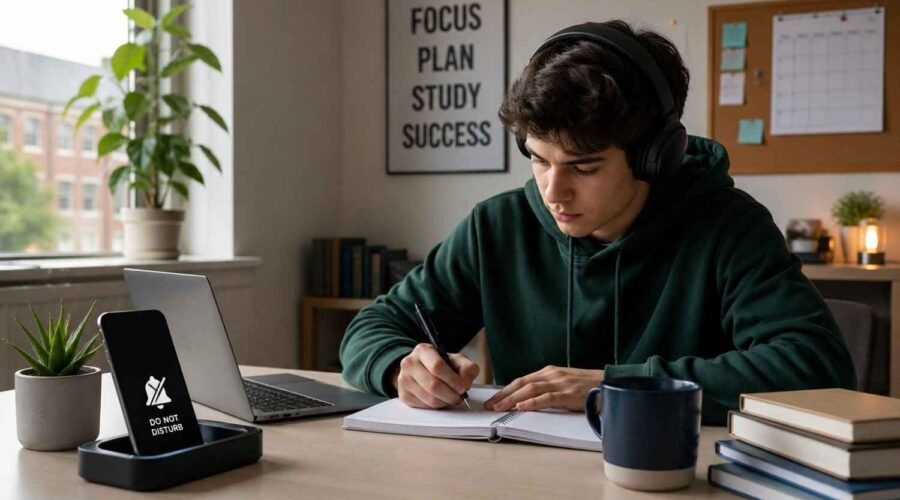
I used to think distraction was a discipline problem. If I couldn’t focus, it meant I wasn’t trying hard enough. But that idea falls apart the moment you sit down to study and somehow end up scrolling for 40 minutes without even realizing it. It’s not laziness, it’s design. Everything around us is built to pull attention.
Over time, I stopped relying on willpower and started changing the setup instead. That shift made a bigger difference than any “motivation” trick ever did. If you’re trying to avoid distraction while studying, what works today looks very different from what worked a few years ago.
Why You Can’t Just “Try Harder” Anymore
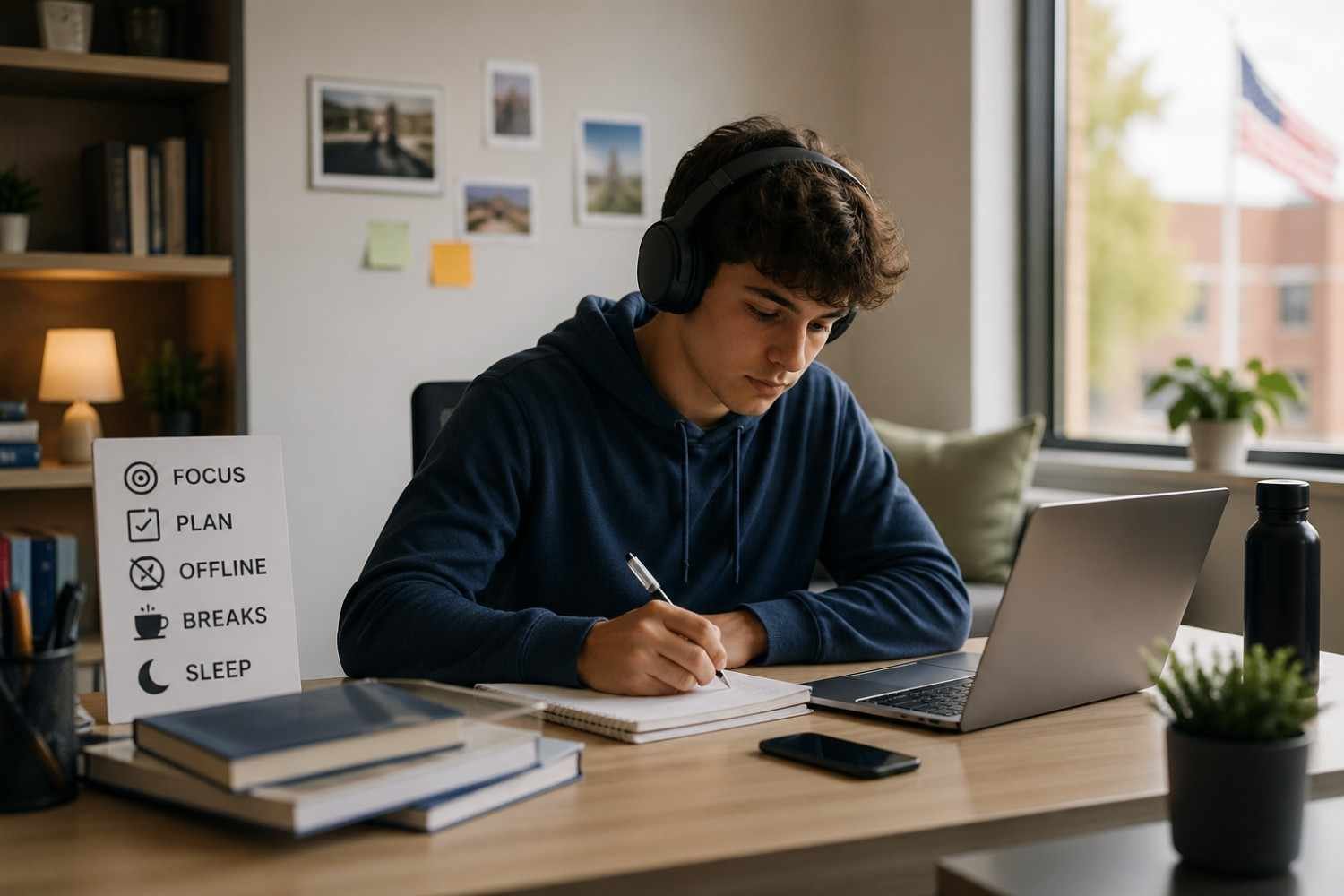
Most students underestimate how aggressive modern distractions have become. Apps aren’t just sitting there; they’re engineered to interrupt your focus at the exact moment your brain gets slightly bored.
Your brain’s decision-making centre (the prefrontal cortex) gets overridden by quick dopamine hits. That’s why even checking your phone for “just a second” turns into a full distraction loop.
So instead of asking, “How do I stay focused?”, the better question is:
“How do I remove the option to get distracted in the first place?”
High-Friction Systems That Actually Stop Distractions
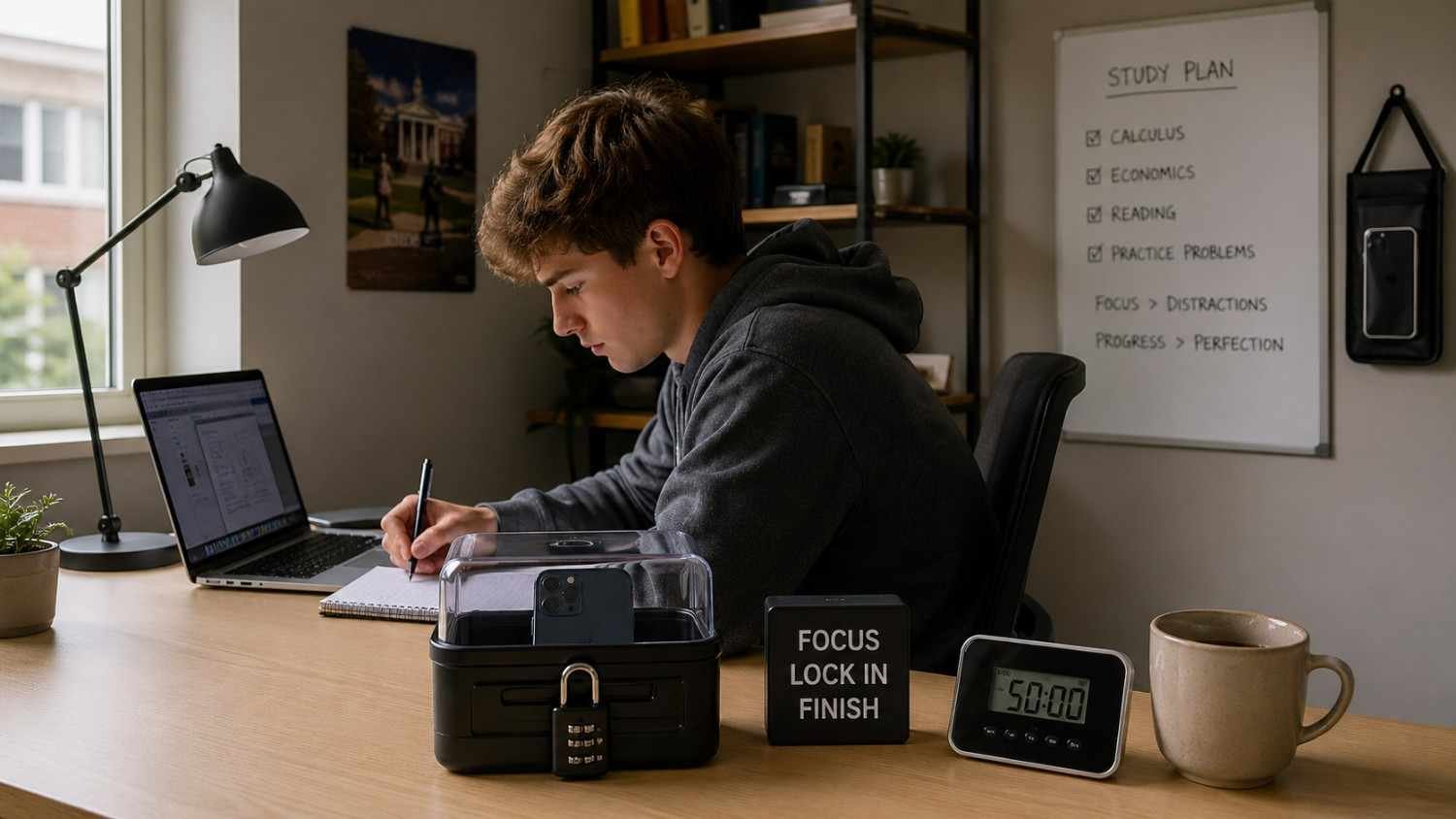
This is where things start to work. Not motivation friction.
In 2026, the students who can consistently study without distractions are not stronger; they just make distractions harder to access.
Here’s what that looks like in practice:
- Use hard-blocking tools instead of basic focus modes
Apps like Freedom app or Cold Turkey Blocker don’t just silence notifications; they block access entirely across devices. - Add friction before opening distracting apps.
Tools like the Opal app or the one sec app force you to pause before opening apps, breaking autopilot scrolling. - Physically remove your phone.
This sounds simple, but it’s one of the most effective ways to improve concentration for students. Even having your phone face down on the table reduces your focus.
This is the difference between hoping you stay focused and designing your environment so that distraction becomes inconvenient.
Work With Your Brain, Not Against It

Long study marathons don’t work anymore, not because you’re weak, but because your brain isn’t built for endless focus.
Instead, structure your sessions around natural focus cycles.
The 90-Minute Deep Focus Rule
Research shows your brain operates in cycles (ultradian rhythms). After about 90 minutes, focus drops.
f(x)=90
So instead of forcing longer sessions:
- Study for 90 minutes
- Take a 15–20 minute break
- Reset and repeat
This approach helps you stay focused while studying without burning out.
When You Can’t Even Start
That’s where the Pomodoro Technique comes in:
- 25 minutes of study
- 5 minutes break
It reduces the mental resistance to starting, which is often the hardest part.
The Trick That Makes Focus Feel Automatic
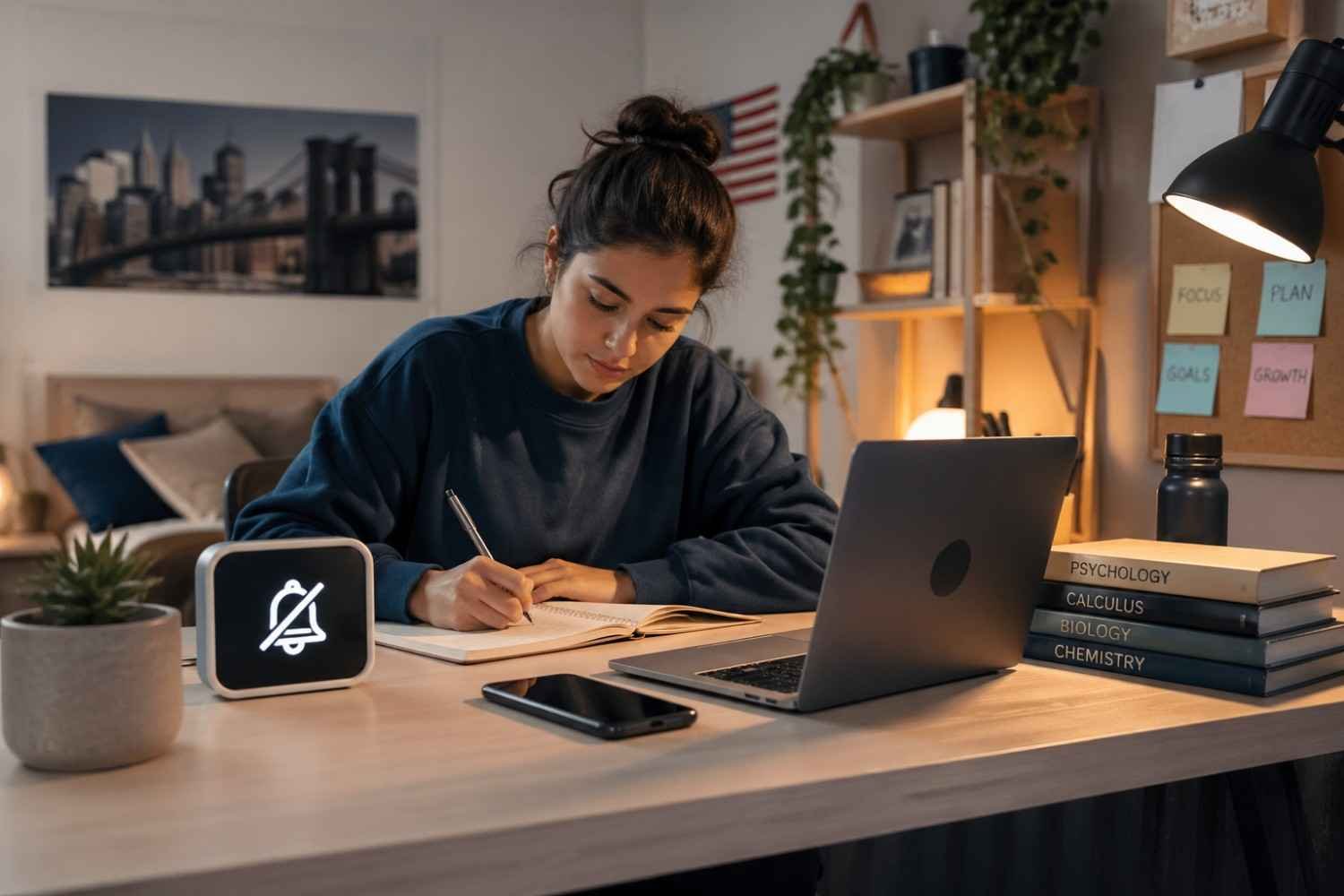
One thing that quietly improves your focus techniques is having a pre-study ritual.
It can be simple:
- Clearing your desk
- Playing the same instrumental playlist
- Taking a few deep breaths
Do it every time before studying.
Your brain starts associating that pattern with focus. Over time, you don’t “force” concentration; it kicks in automatically.
Stop Passive Studying (This Is A Big One)
A lot of students think they have a distraction problem, but they actually have an engagement problem.
If you’re just reading or highlighting, your brain gets bored fast, and that’s when distractions creep in.
Instead, shift to active methods:
- Retrieval practice → Close your book and write what you remember
- Self-testing → Ask questions instead of rereading
- Use AI as a quiz partner instead of a shortcut
This is where learning becomes interactive, and your brain has less reason to wander.
Mix Things Up To Stay Mentally Engaged

Studying one subject for too long can lead to boredom-based distraction.
Try interleaving:
- 30 minutes of one subject
- Switch to another
It forces your brain to reset and stay alert.
This approach naturally helps you focus on studies for longer hours without feeling drained.
Fix Your Environment Before Fixing Yourself
Most distractions are triggered by your surroundings, not your mindset.
Small adjustments make a huge difference:
Design A “Study-Only” Space
If you study in bed, your brain associates that space with sleep. That’s why you feel distracted or drowsy.
Even a small desk corner dedicated to studying can improve your ability to concentrate on studies.
Use The “Thought Dump” Method
Random thoughts will come up; it’s normal.
Instead of acting on them:
- Write them down on a notepad
- Come back to them later
This clears your mental space without breaking focus.
Physical Energy Affects Mental Focus More Than You Think

One thing most blogs ignore is that your body impacts your attention span.
A quick 10–20 minute walk before studying:
- Increases oxygen flow
- Improves dopamine balance
- Reduces the urge to check your phone
It’s one of the simplest ways to improve your study routine without adding complexity.
Where Most Students Still Get It Wrong
Even after knowing all this, many students still rely on motivation.
But focus isn’t built on motivation; it’s built on systems.
That’s why learning how to study harder not smarter becomes important. It’s not about pushing yourself more; it’s about removing friction, structuring sessions, and making focus easier than distraction.
Frequently Asked Questions: What Actually Works To Avoid Distraction While Studying In 2026
1. How can I avoid distraction while studying at home?
Start by controlling your environment. Keep your phone in another room, use blocking apps, and create a dedicated study space. These small changes reduce constant interruptions.
2. Why do I get distracted so easily while studying?
Your brain is wired to seek quick rewards. Digital platforms exploit this by providing instant dopamine, making it harder to stay focused on slower tasks like studying.
3. What is the best technique to stay focused while studying?
It depends on your starting point. If you struggle to begin, use short sessions like Pomodoro. If you can focus longer, switch to 90-minute deep work cycles.
4. How do I improve my concentration for long study hours?
Use structured breaks, active learning methods, and avoid passive reading. Also, manage your energy with sleep, movement, and proper study timing.
Final Thoughts: What Actually Makes The Difference
If there’s one thing that changed how I approach studying, it’s this: focus isn’t something you “try” to do, it’s something you build around you. The moment you stop relying on willpower and start controlling your environment, everything feels easier. Distraction doesn’t disappear, but it stops being the default.
You don’t need perfect discipline. You need better systems.
And once those systems are in place, staying focused stops feeling like a daily battle.