



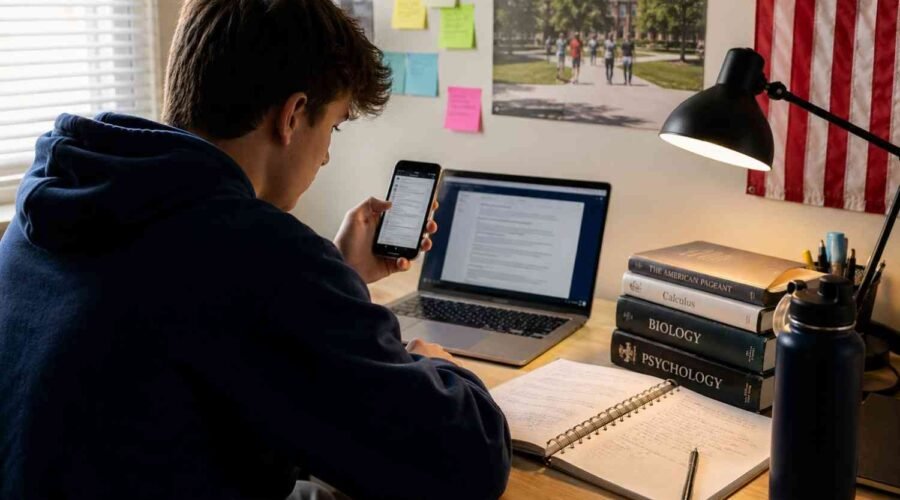
There’s a point where screen time quietly stops being helpful and starts working against you. Most students don’t notice it right away. It starts with switching between a lecture video and a quick scroll, then replying to a message, then checking one more notification. Before you realize it, an hour is gone, and nothing meaningful has been done.
I’ve seen this pattern play out again and again. The issue isn’t just how long students are on screens, it’s how they’re using them. There’s a clear difference between intentional use and mindless consumption, and that difference shows up directly in focus, energy levels, and academic performance.
The Real Difference: Productive Vs Distracting Screen Time
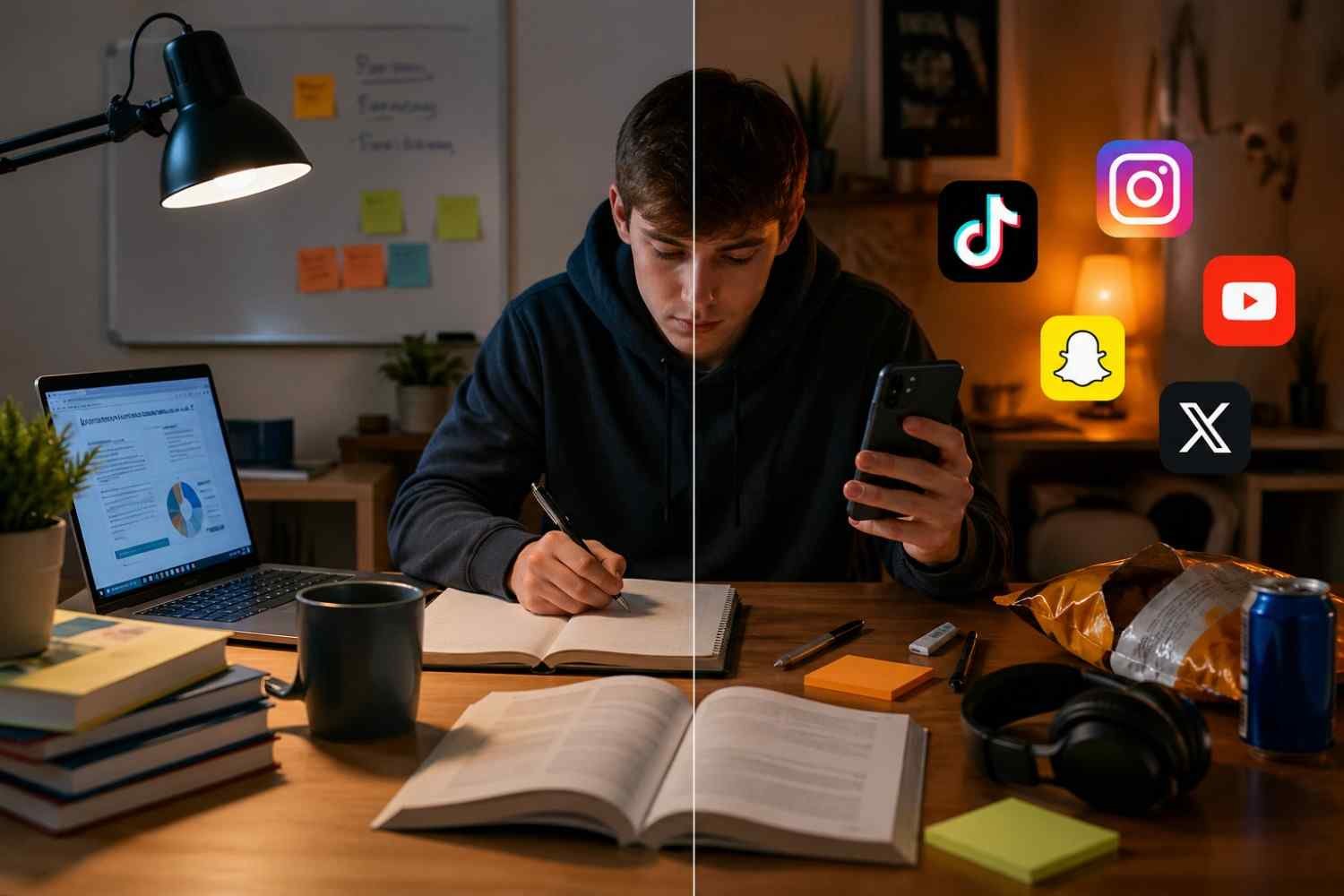
Not all screen time is harmful. In fact, when used with purpose, it can actually improve learning outcomes. Watching lectures, using digital textbooks, or collaborating online can support deeper understanding. But the problem starts when that same device becomes a source of constant distraction.
Students often don’t separate academic use from recreational use. One moment they’re studying, the next they’re pulled into social media or short-form content. This constant switching creates a fragmented workflow, where the brain never fully settles into focused thinking.
Over time, this reduces efficiency. You might spend hours “studying,” but the output doesn’t match the effort.
How Screen Habits Are Damaging Focus And Attention
One of the biggest impacts of poor screen habits is reduced attention span. When students constantly jump between apps, their brains get used to quick stimulation instead of sustained effort.
This is where media multitasking becomes a problem. Research shows that switching between tasks can reduce productivity by up to 40%. That’s not a small drop; it’s the difference between finishing work and constantly feeling behind.
There’s also a neurological angle. Frequent notifications and instant rewards create what’s often called a dopamine loop. Over time, this makes slower, effort-heavy tasks like studying feel less engaging. Students don’t lose intelligence; they lose patience for deep work.
The Hidden Impact On Academic Performance
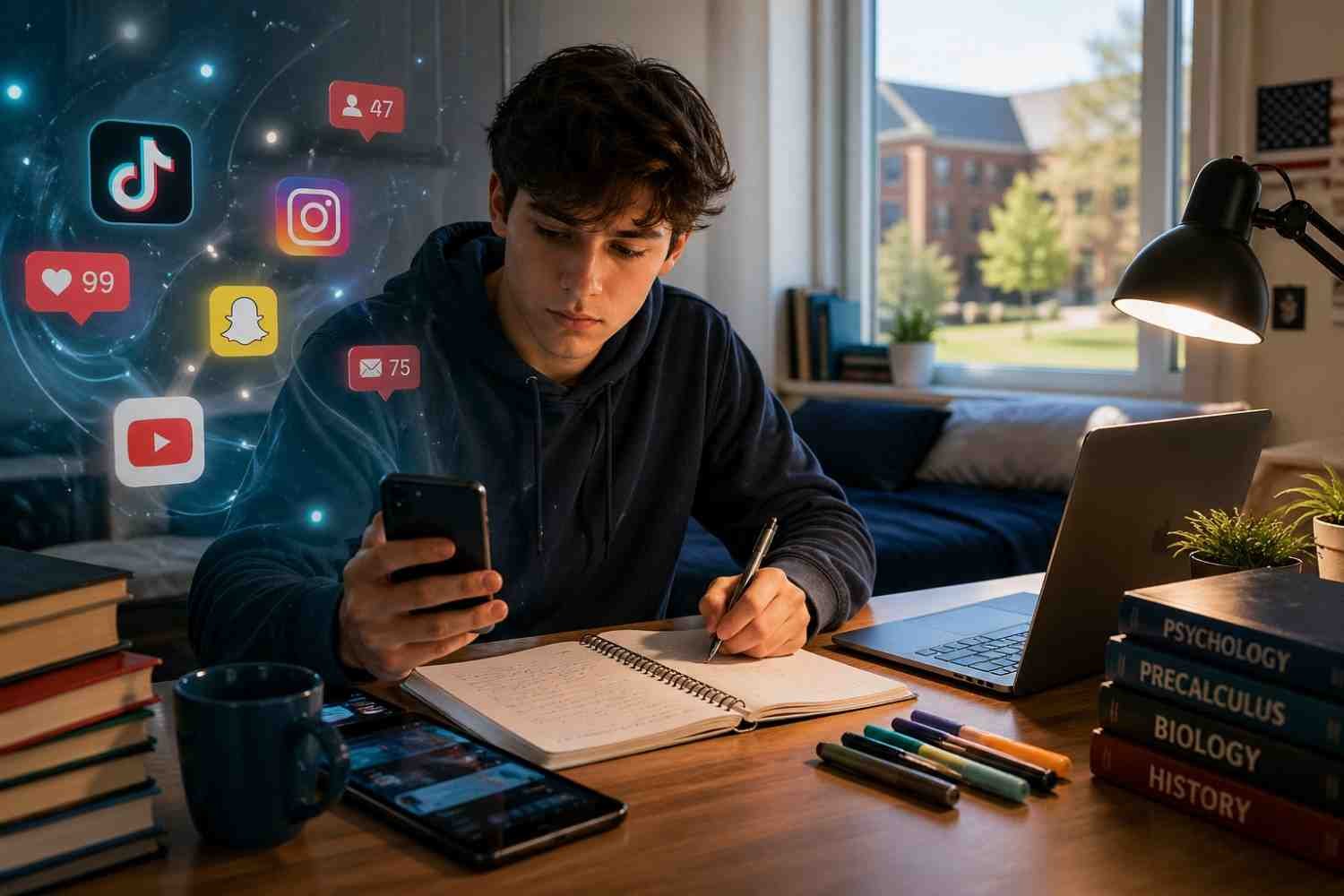
There’s a clear pattern when you look at how screen use affects grades. Students who use screens primarily for academic purposes tend to perform better. On the other hand, excessive non-academic screen time, like gaming or social media, often correlates with lower scores.
The issue isn’t just distraction. It’s what screen time replaces.
When hours are spent on passive consumption, they take away from:
- Focused study sessions
- Physical activity
- Face-to-face interaction
- Rest and recovery
This is known as the displacement effect. Productivity doesn’t drop because students are lazy; it drops because their time and energy are being redirected.
Sleep Disruption Is Quietly Killing Productivity
This is one of the most overlooked factors. Many students stay on their phones late into the night, assuming it doesn’t affect the next day. But it does more than most realize.
Screens emit blue light, which interferes with melatonin production. That’s the hormone responsible for sleep. When it’s disrupted, falling asleep becomes harder, and sleep quality drops.
The result shows up the next day:
- Low energy
- Slower thinking
- Poor concentration
- Increased irritability
It becomes a cycle. Poor sleep leads to low productivity, which leads to more procrastination, which often leads back to more screen time.
Why Students Feel Busy But Get Less Done
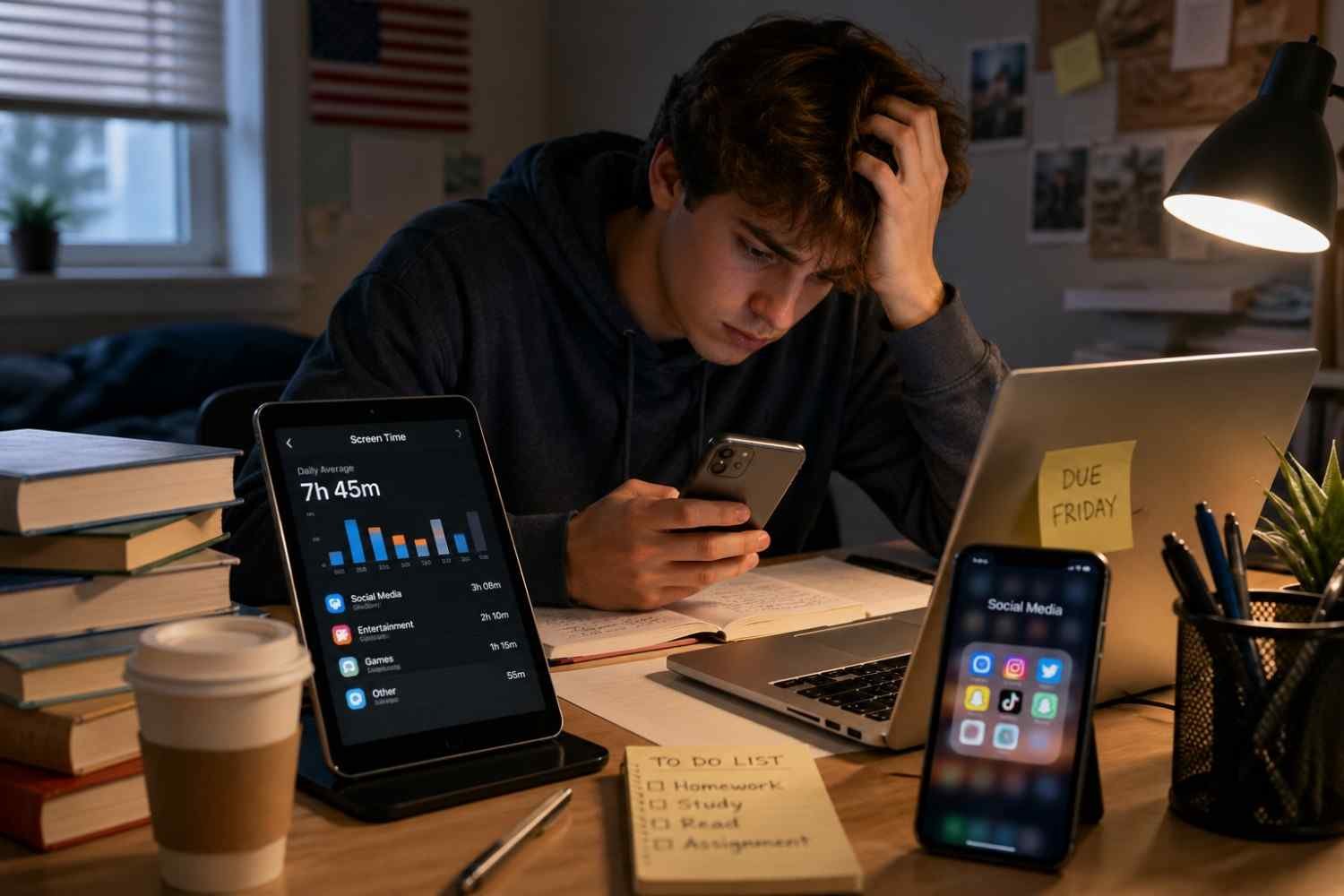
A lot of students say they’re always busy, yet their output doesn’t reflect it. This usually comes down to fragmented attention.
When your brain is constantly switching contexts, it never reaches a state of deep focus. Even short interruptions like checking a notification can reset your concentration.
This is especially challenging for students trying to balance multiple responsibilities. When you’re juggling academics, part-time work, and personal life, managing distractions becomes even more critical. That’s where understanding how to manage college and work life starts to matter, because without control over your time and attention, everything begins to feel overwhelming.
Practical Ways To Fix Screen Habits Without Going Extreme
Most advice tells students to “reduce screen time,” but that’s not realistic. Screens are part of daily life. The goal isn’t elimination, it’s control.
Here are a few strategies that actually work:
- Set a digital cutoff time: Stop using screens at least one hour before bed
- Use structured focus methods: Try working in timed blocks (like 25 minutes of focus, 5-minute breaks)
- Create screen-free zones: Keep your bed and dining area free from devices
- Be intentional: Open your device with a purpose, not out of habit
These small changes help rebuild attention span and reduce mental fatigue without requiring drastic lifestyle changes.
FAQs: How Screen Time Habits For Students Are Affecting Productivity Today
1. How much screen time is too much for students?
It depends on usage. Academic screen time is generally beneficial, but excessive recreational use, especially beyond 2–3 hours daily, can negatively impact focus and performance.
2. Does screen time really affect academic performance?
Yes, especially non-academic use. Studies show a clear link between high recreational screen time and lower grades due to reduced focus and time displacement.
3. Can students improve productivity without reducing screen time?
Yes. The key is managing how screens are used. Intentional, structured use can improve productivity without cutting screen time drastically.
4. Why does screen time affect sleep quality?
Blue light from screens suppresses melatonin, delaying sleep and reducing sleep quality, which leads to fatigue and poor concentration the next day.
Final Thoughts On Screen Habits And Student Productivity
Screen time isn’t the enemy; it’s how it’s used that makes the difference. Students today rely on digital tools more than ever, and that’s not going to change. But without awareness, those same tools can quietly reduce focus, disrupt sleep, and lower overall productivity.
The shift doesn’t require extreme changes. It starts with noticing patterns, making small adjustments, and using screens with intention. Once that balance is in place, productivity becomes less about effort and more about clarity.