




Ever found yourself rewriting the same sentence five times just to make it “sound academic”? Getting academic writing tone and style right can feel tricky, especially when you want to sound professional without losing clarity. The good news is that strong academic writing is not about using complicated words. It is about communicating ideas clearly, logically, and with confidence.
Academic writing: What is that?
Understanding the basics of academic writing tone and style sets the foundation for everything else. Academic writing tone and style refer to the formal, objective, and structured way of presenting ideas using clear language, evidence-based arguments, and logical organization.
It prioritizes precision, neutrality, and credibility over personal opinion or conversational expression. This means your writing should sound confident but not emotional, structured but not rigid, and informative but still easy to read.
Key Aspects Of Academic Writing Tone And Style
Let us break down the core elements that define academic writing tone and style.
Formality And Objectivity
Academic writing tone and style rely heavily on formality and neutrality. Avoid contractions like “don’t” and replace them with “do not.” Stay away from slang or conversational phrases. Focus on presenting facts and evidence rather than personal feelings or opinions. Objectivity helps build trust and authority in your writing.
Third Person And Precision
Maintaining distance from the subject strengthens your tone. Academic writing tone and style typically use the third-person perspective to avoid personal bias. Instead of saying “I believe,” focus on evidence. Use precise vocabulary and avoid vague expressions. This ensures your ideas are clear and credible.
Hedging And Conciseness
Balance confidence with caution in your claims. Use words like “suggests,” “indicates,” or “may” to show that your conclusions are based on evidence. This is called hedging. At the same time, keep your sentences concise. Avoid unnecessary words and focus on delivering meaning efficiently.
Differences In Academic Writing Tone And Style
Understanding contrast helps you improve faster.
Informal Vs Academic Language
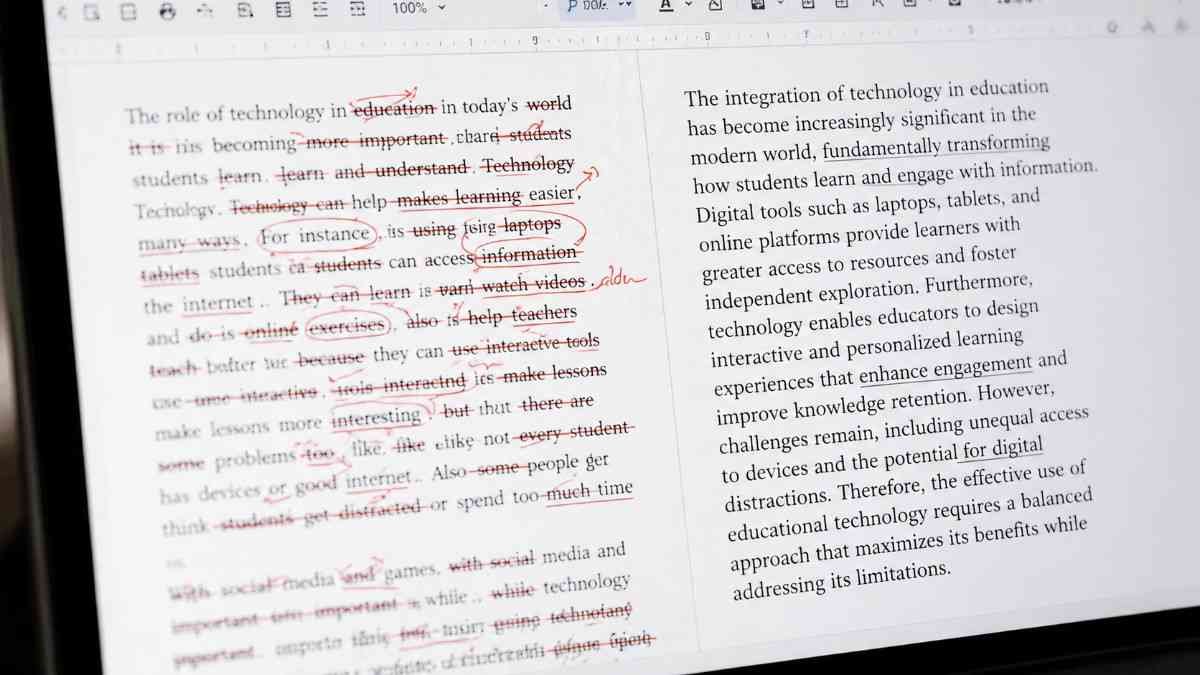
Seeing the difference makes everything clearer. Informal writing often uses conversational language like “I think this is a good idea.” Academic writing tone and style transform this into “Evidence suggests this approach is effective.” The shift removes opinion and adds credibility.
Emotional Vs Evidence-Based Writing
Academic writing avoids emotional influence. Instead of saying “This result is amazing,” use data to support your statement. For example, “The findings demonstrate a significant increase in performance metrics.” This keeps the focus on evidence rather than emotion.
Key Components Of Academic Writing Tone And Style
Strong academic writing is built on structure and logic.
Structured Organization
Organization plays a major role in readability. Academic writing tone and style often follow structured formats such as Introduction, Method, Results, and Discussion. This logical flow helps readers understand your argument step by step without confusion.
Evidence-Based Arguments
Credibility comes from strong support. Every claim should be backed by research, data, or credible sources. Avoid generalizations and ensure that your arguments are supported by reliable evidence. This is what separates academic writing from casual writing.
Signposting And Flow
Guide your reader through your ideas. Use transition words and clear topic sentences to connect ideas. Signposting helps readers follow your argument easily and improves overall coherence.
Real Examples Of Academic Writing Tone And Style
This is where most writers improve the fastest.
Weak Vs Strong Statements
Simple changes can make a big difference.
❌ “The results are good.”
✅ “The results indicate statistically significant improvement in performance outcomes.”
This shift adds precision and credibility.
Informal Vs Academic Tone
Replace casual language with structured phrasing.
❌ “A lot of people think this is bad.”
✅ “A significant proportion of participants reported negative perceptions.”
These small adjustments elevate your writing instantly.
Common Mistakes In Academic Writing Tone And Style
Avoiding these mistakes can improve your writing quickly.

Overcomplicated Sentences
Trying too hard to sound academic often leads to confusion. Long, complex sentences reduce clarity. Focus on simple sentence structures that communicate ideas effectively. Clarity always wins over complexity.
Emotional And Biased Language
Academic writing should remain neutral. Avoid words that express strong emotions or personal bias. Replace them with evidence-based statements. This ensures your writing remains professional and credible.
Lack Of Clarity And Flow
Disconnected ideas weaken your argument. Ensure each paragraph focuses on one idea. Use transitions to maintain flow. This improves readability and keeps your audience engaged.
Academic Vs Informal Writing Comparison
A quick comparison helps reinforce understanding.
| Feature | Academic Writing | Informal Writing |
| Tone | Formal and objective | Casual and personal |
| Language | Precise and structured | Conversational |
| Evidence | Required | Optional |
| Structure | Logical and organized | Flexible |
| Style | Evidence-based | Opinion-based |
What Will Improve Academic Writing Tone And Style?
This section gives you actionable steps to improve quickly.

Step 1: Use Clear And Concise Language
Focus on simplicity without losing meaning. Avoid unnecessary words and keep sentences direct. Replace vague phrases with precise terms. This improves readability and strengthens your message.
Step 2: Remove Personal And Emotional Language
Maintain a neutral tone throughout. Search your document for words like “you” or “I” and revise them. Replace emotional expressions with data-driven statements. This ensures consistency in academic writing tone and style.
Step 3: Apply Discipline-Specific Vocabulary
Use terminology relevant to your field. Correct use of technical terms improves credibility. However, avoid overloading your writing with jargon. Balance technical accuracy with clarity.
Build Authority With Supporting Topics
To rank and build expertise in academic writing tone and style when writing for web content, expand beyond one blog. Or write your research-based essay online audiences.
Create Topic Clusters
Cover related areas to strengthen your content. Write supporting posts on academic vocabulary, citation styles like APA or MLA, and research paper structure. This builds topical authority and improves SEO performance.
Focus On Internal Linking
Connect related content strategically. Link your blogs to each other to guide readers and improve site structure. This helps search engines understand your expertise in academic writing tone and style.
Frequently Asked Questions
1. What Is Academic Writing Tone And Style?
It refers to the formal, objective, and structured way of presenting ideas using clear language and evidence-based reasoning.
2. What Are The 5 C’s Of Academic Writing?
Clarity, conciseness, coherence, correctness, and consistency ensure writing is logical, readable, and credible.
3. What Is Tone And Style In Writing?
Tone reflects the writer’s attitude, while style defines how ideas are expressed through language and structure.
4. What Are The Styles Of Academic Writing?
Common styles include descriptive, analytical, persuasive, and critical writing, each used for different academic purposes.
Make Academic Writing Work For You
Mastering academic writing tone and style is not about sounding complex. It is about being clear, precise, and credible. By focusing on structure, evidence, and readability, you can create writing that is both professional and engaging. Combine these principles with strong SEO practices, and your content will not only inform readers but also rank effectively on search engines.