



I’ve spent a lot of time thinking about where careers are heading, and one thing has become very clear to me—the best skills to learn for future jobs are no longer just about degrees or job titles. They’re about adaptability, technology awareness, and human value.
If you’re trying to future-proof your career, you don’t need to learn everything. You just need to focus on the right mix of skills that employers actually care about right now and will continue to value in the next decade.
Let me walk you through exactly what those skills are and how you can start building them today.
Why Are Future Job Skills Changing So Fast?
The workplace is evolving faster than ever. Automation, artificial intelligence, and remote work are reshaping how companies hire and what they expect from employees.
I’ve noticed that companies are no longer just hiring for roles—they’re hiring for adaptability. They want people who can learn, pivot, and grow as industries change.
That’s why focusing on future-ready skills gives you a serious advantage. Instead of chasing job titles, you build capabilities that stay relevant no matter what happens.
Best Technical Skills to Learn for Future Jobs
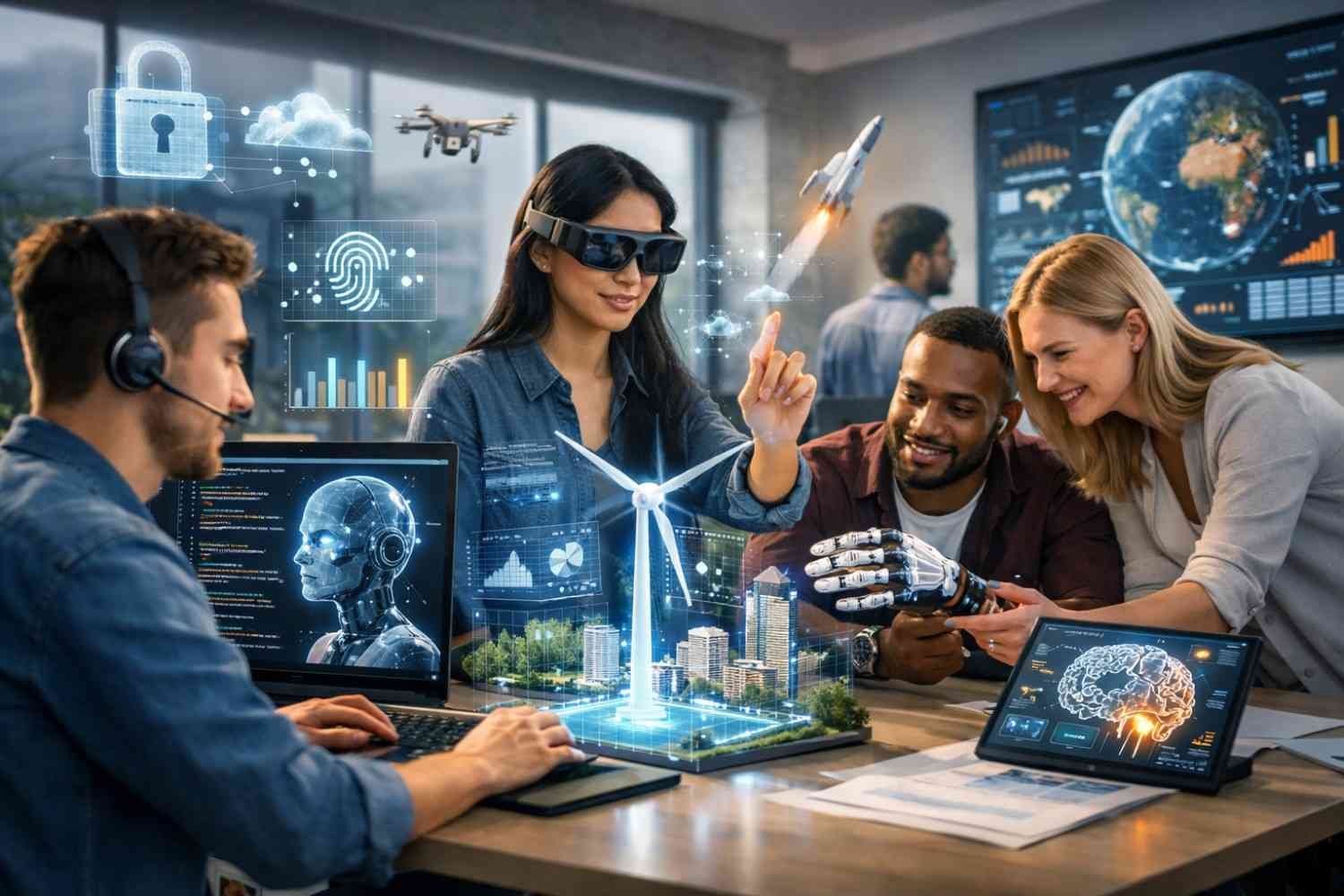
When I look at top-performing professionals today, one thing stands out—they understand technology, even if they’re not engineers.
AI Literacy and Prompt Engineering
Artificial intelligence is no longer optional. It’s becoming part of everyday work, from marketing to finance.
I’ve personally seen how understanding AI tools can instantly make someone more valuable. Learning how to interact with AI systems, write effective prompts, and use AI for productivity is one of the smartest moves you can make right now.
This doesn’t mean you need to build AI systems. You just need to understand how to use them effectively.
Data Analysis and Interpretation
Data is driving every decision today. Businesses rely on data to understand customers, improve products, and increase profits.
If you can read data, analyze trends, and explain insights clearly, you’ll stand out in almost any role.
Even basic skills like working with spreadsheets, dashboards, or visualization tools can open doors.
Cybersecurity Awareness
As more work moves online, security risks are growing.
You don’t have to become a cybersecurity expert, but understanding basic security practices, risk awareness, and data protection makes you valuable to any company.
Organizations are actively looking for people who can help reduce digital risks.
Digital Literacy and Cloud Basics
Digital literacy goes beyond knowing how to use a computer. It’s about understanding digital tools, platforms, and workflows.
I’ve found that people who are comfortable with cloud tools, collaboration platforms, and remote systems adapt much faster in modern workplaces.
Automation and No-Code Tools
One of the biggest shifts I’ve seen is the rise of automation.
You no longer need advanced coding skills to automate tasks. No-code and low-code tools allow you to build workflows, streamline processes, and save time.
Learning this skill can make you significantly more productive—and employers notice that quickly.
Best Human Skills That Will Always Be in Demand
While technology is evolving, human skills are becoming even more important.
Critical Thinking and Problem Solving

I’ve realized that the ability to think clearly and solve problems is what separates average professionals from high performers.
Employers value people who can analyze situations, make decisions, and find solutions without constant guidance.
Communication Skills for Modern Workplaces
Whether you’re working remotely or in an office, communication matters more than ever.
Clear writing, effective speaking, and active listening can make a huge difference in your career growth.
I’ve personally seen people with strong communication skills move ahead faster than those with only technical expertise.
Adaptability and Lifelong Learning
The most successful people I’ve come across are always learning.
They don’t resist change—they embrace it.
If you can adapt quickly, learn new tools, and stay curious, you’ll always stay relevant, no matter how industries evolve.
Emotional Intelligence and Leadership
Understanding people is just as important as understanding systems.
Emotional intelligence helps you manage relationships, handle conflicts, and lead teams effectively.
Even if you’re not in a leadership role yet, developing this skill prepares you for future growth.
Which Skills Should You Learn Based on Your Career Goals?
Not all skills matter equally for everyone. I always recommend aligning skills with your goals.
If you want a high-paying tech career, focus more on AI, data analysis, and cloud tools.
If you prefer creative or people-focused roles, communication, emotional intelligence, and problem-solving will take you further.
If your goal is career stability, combining technical awareness with adaptability gives you the strongest foundation.
How to Start Learning Future Job Skills as a Beginner
When I started exploring new skills, I made one mistake—I tried to learn too much at once.
What worked better was focusing on one skill at a time and building consistency.
Start small. Choose one skill that aligns with your goals. Spend time daily practicing it. Use free platforms, online courses, and real-world projects to apply what you learn.
Consistency matters more than intensity.
How Do You Show Future Skills on a Resume?
Learning skills is one thing. Showing them effectively is another.
Instead of just listing skills, I’ve found it more effective to demonstrate them through results.
For example, instead of saying “data analysis,” you can mention how you used data to improve a process or solve a problem.
Employers care about impact, not just knowledge.
FAQs About Best Skills to Learn for Future Jobs
1. What are the best skills to learn for future jobs in 2026?
The best skills to learn for future jobs include AI literacy, data analysis, cybersecurity awareness, communication, adaptability, and critical thinking. A combination of technical and human skills gives you the strongest advantage.
2. Do I need coding skills for future jobs?
Not always. While coding can be helpful, many roles now rely on no-code tools, AI platforms, and automation systems. Understanding how technology works is often more important than deep coding knowledge.
3. How long does it take to learn a future-ready skill?
It depends on the skill, but I’ve seen noticeable progress within 30 to 90 days when learning consistently. The key is regular practice and real-world application.
4. Are soft skills really important for future careers?
Yes, and they’re becoming even more important. Skills like communication, emotional intelligence, and adaptability are difficult to automate, which makes them highly valuable.
Where I See Careers Heading Next
If there’s one thing I’ve learned, it’s this—careers are no longer fixed paths. They’re flexible journeys.
The people who succeed aren’t the ones who know everything. They’re the ones who keep learning, stay curious, and adapt quickly.
When you understand how to choose a college major, it becomes easier to align your education with real-world skills and long-term opportunities.
If you focus on building the best skills to learn for future jobs, you won’t just prepare for the future—you’ll stay ahead of it.