



Finding reliable information is one of the most important skills for students today. With so much content available online, it can be difficult to separate credible sources from unreliable ones. Whether you’re writing an essay, conducting research, or preparing a presentation, using trustworthy sources is essential for academic success.
This guide will teach you how to find credible sources using free tools, along with practical strategies to evaluate and verify information effectively.
Why Credible Sources Matter in Academic Work
Using credible sources strengthens your arguments and improves the quality of your work. Professors and institutions expect students to rely on peer-reviewed research, official data, and authoritative publications.
Unverified or weak sources can lead to misinformation, lower grades, and even academic penalties. That’s why learning how to identify reliable information is just as important as writing itself.
Best Free Tools to Find Credible Sources
There are several powerful free tools that help students access high-quality academic content.
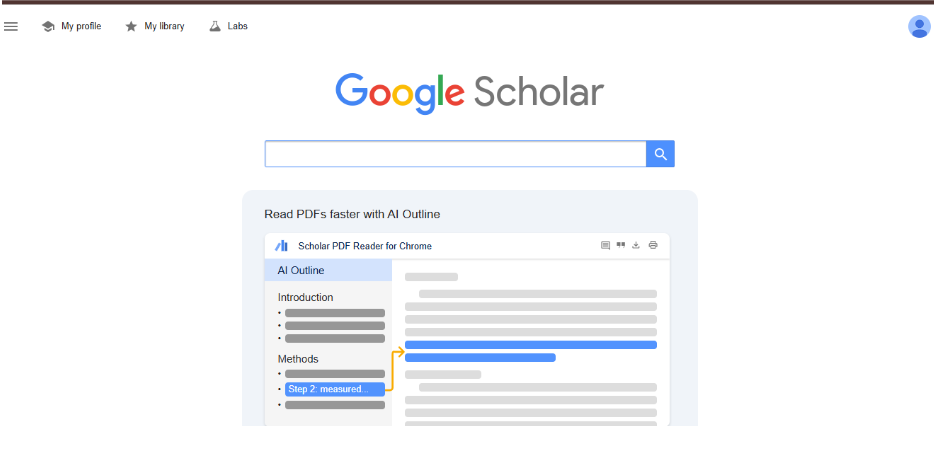
- Google Scholar is one of the most widely used platforms for finding research papers, theses, and scholarly articles across disciplines.
- PubMed Central provides free access to life sciences and medical research literature.
- Directory of Open Access Journals offers a curated collection of peer-reviewed, open-access journals.
- CORE aggregates millions of open-access research papers from repositories worldwide.
- Science.gov searches across multiple federal databases for scientific information.
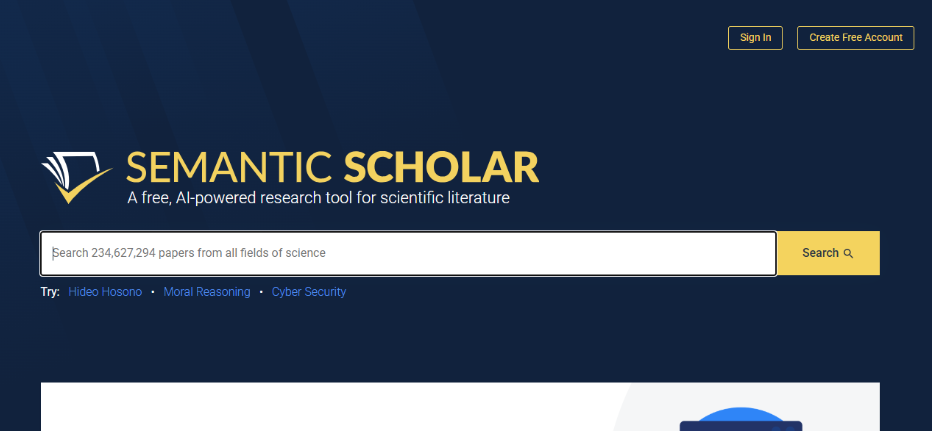
- Semantic Scholar uses artificial intelligence to help you discover relevant academic papers quickly.
- Sourcely assists in locating and evaluating credible sources efficiently.
These tools provide access to high-quality research without requiring paid subscriptions.
Smart Search Strategies for Better Results
Knowing where to search is important, but how you search matters just as much. Using the right techniques can significantly improve your results.
- Use quotation marks for exact phrases, such as “climate change impacts”
- Apply Boolean operators like AND, OR, and NOT to refine searches
- Add terms like “peer reviewed” to find academic-level sources
- Use filters on platforms like Google Scholar to sort by date or relevance
These strategies help you narrow down your search and find more precise, relevant information.
How to Identify Credible Sources
Finding sources is only the first step. You also need to evaluate their credibility carefully.
Start by examining the author. Check their qualifications, expertise, and institutional affiliation. Authors connected to universities or research organizations are generally more reliable.
Next, look at the publication date. For topics like science or technology, recent information is crucial. Older sources may still be valuable for historical context but should be used carefully.
Finally, review the references within the source. Credible articles usually cite other reputable studies, allowing you to trace the information back to its origin.
Understanding Domain Credibility

The type of website you use can also indicate reliability.
Educational (.edu) and government (.gov) websites are typically trustworthy because they are maintained by institutions and agencies. Nonprofit (.org) sites can also be credible, though they may sometimes have specific agendas.
Commercial (.com) websites vary widely in quality, so they require extra scrutiny.
While domain type is helpful, it should not be the only factor. Always evaluate the content itself.
Using Citation Counts to Measure Reliability
Citation counts are a useful indicator of a source’s impact. On platforms like Google Scholar, you can see how many times a paper has been cited by other researchers.
A high citation count often suggests that the work is well-regarded in its field. However, it’s still important to review the content and ensure it’s relevant to your topic.
The “Cited by” feature also helps you discover newer research that builds on the original study.
Verifying Sources Before Using Them
Verification is a critical step in the research process. Even credible-looking sources should be checked carefully.
Analyze the author’s background and confirm their expertise. Check whether the information is supported by evidence and references. Compare the source with other reliable materials to ensure consistency.
If multiple credible sources agree on the same information, it’s more likely to be accurate.
Common Mistakes Students Make
Many students rely on the first search result they find without evaluating its credibility. This can lead to using unreliable or biased information.
Another common mistake is ignoring publication dates. Using outdated sources can weaken your arguments, especially in fast-changing fields.
Students also sometimes overlook the importance of cross-checking information. Verifying facts across multiple sources is essential for accuracy.
Benefits of Using Free Research Tools
Free tools make high-quality research accessible to everyone. You don’t need expensive subscriptions to access credible information.
These platforms also save time by organizing and filtering results, allowing you to focus on relevant content.
Frequently Asked Questions
What are the best free tools for finding credible sources?
Some of the best tools include Google Scholar, PubMed Central, DOAJ, CORE, and Semantic Scholar. These platforms provide access to peer-reviewed and reliable content.
How can I tell if a source is credible?
Check the author’s credentials, publication date, references, and the reliability of the website. Cross-check information with other sources for accuracy.
Are free sources reliable for academic work?
Yes, many free sources are highly reliable, especially those from academic databases, universities, and government websites.
What is a peer-reviewed source?
A peer-reviewed source is reviewed by experts in the field before publication, ensuring accuracy and credibility.
Can I use Wikipedia as a source?
Wikipedia can be useful for initial understanding, but it should not be cited in academic work. Instead, use the references listed on Wikipedia pages.
How do AI tools help in finding credible sources?
AI tools analyze large amounts of data to identify relevant and reliable sources quickly, saving time and improving research quality.
Build Strong Research Skills for Academic Success
Learning how to find credible sources using free tools is a skill that will benefit you throughout your academic journey and beyond. By combining the right tools with smart search strategies and careful evaluation, you can ensure your work is accurate, reliable, and well-supported.
As technology continues to evolve, exploring Top AI Tools Every Student Should Use can further enhance your research and productivity. These tools not only help you find information faster but also improve how you organize and understand it.
With the right approach, research becomes less overwhelming and more efficient—allowing you to focus on learning, analyzing, and creating meaningful academic work.