




Artificial intelligence has transformed the way students study, research, and complete assignments. While ChatGPT is widely popular, it’s not the only option available. In fact, depending on your needs—research, summarization, tutoring, or coding—there are several powerful alternatives that may suit you even better.
This guide explores the best chatgpt alternatives for students, helping you choose the right tools for your academic success.
Why Look for ChatGPT Alternatives?
ChatGPT is versatile, but no single tool excels at everything. Some platforms are better at providing cited answers, while others specialize in analyzing documents or offering guided learning.
Students often need:
- Accurate, cited research
- Tools for summarizing long notes
- Personalized tutoring support
- Help with coding or STEM problems
Using multiple AI tools allows you to cover all these needs more effectively.
Best AI Tools for Research and Citations
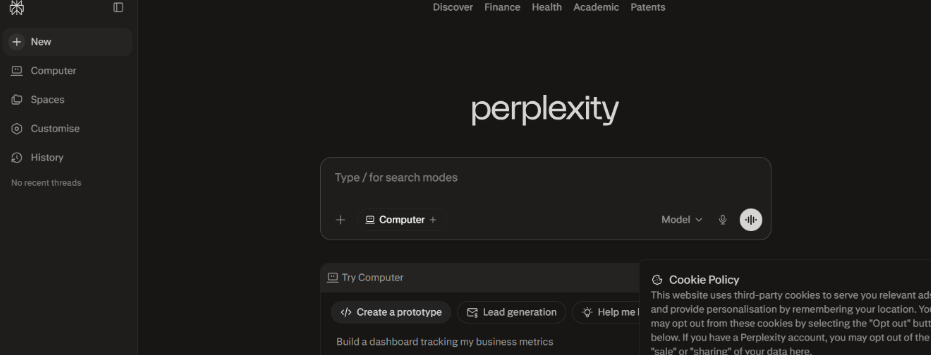
When it comes to academic work, accuracy and sources matter the most. Some AI tools are specifically designed to provide reliable, referenced information.
Perplexity AI stands out because it provides answers with citations linked to real sources. This makes it ideal for essays, reports, and research projects where credibility is essential.
Another useful option is Paperpal, which focuses on improving academic writing quality, grammar, and structure.
These tools reduce the risk of misinformation and help you build stronger, evidence-based assignments.
Students can improve the quality of their academic work by learning how to use google scholar for research when searching for reliable scholarly sources.
AI Tools for Long-Form Writing and Document Analysis

Handling large amounts of information can be overwhelming, especially when dealing with textbooks or research papers. Some AI tools are built to process and simplify long documents.
Claude is known for its ability to analyze lengthy texts and generate detailed summaries. It’s perfect for breaking down complex material into digestible insights.
NotebookLM allows you to upload your own study materials, such as lecture notes or PDFs, and then interact with them. You can ask questions, generate summaries, or even create quizzes based on your content.
Notion AI is another great option for organizing notes and drafting content, especially if you already use Notion for study planning.
These tools help you save time while improving comprehension.
AI Tutors and Learning Assistants
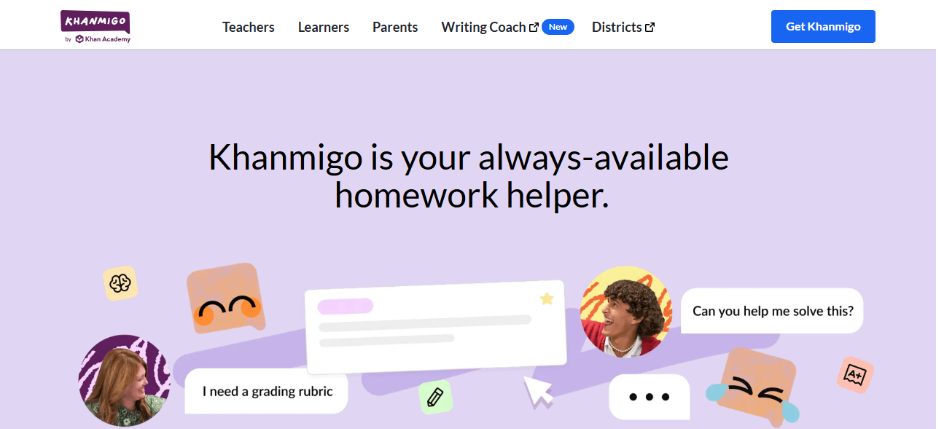
For students who need guidance rather than direct answers, AI tutors provide a more educational approach.
Khanmigo is designed to teach rather than just solve problems. It asks guiding questions and helps you understand concepts step by step.
SchoolAI acts as a study companion, helping with explanations, brainstorming, and homework support.
These tools are particularly useful for building understanding instead of just completing tasks.
STEM and Coding-Focused AI Tools
Students in science, technology, engineering, and mathematics often need specialized tools.
DeepSeek is strong in technical reasoning and coding tasks, making it useful for programming and complex problem-solving.
WolframAlpha is excellent for solving math and science problems with step-by-step explanations.
These platforms provide precise solutions and are especially helpful for technical subjects.
Study Tools for Notes, Flashcards, and Revision
Effective studying requires good organization and revision techniques. Some AI tools are designed specifically for this purpose.
Quizlet helps you create and review flashcards, making it easier to memorize key concepts.
NotebookLM, mentioned earlier, also plays a major role here by turning your notes into summaries and quizzes.
These tools make studying more interactive and engaging.
Tools for Lectures and Meeting Notes
Keeping track of lectures can be challenging, especially during fast-paced classes.
Otter.ai records and transcribes lectures in real time, allowing you to focus on understanding rather than note-taking.
This is particularly useful for online classes or long lectures where important details can be missed.
How to Choose the Right AI Tool
With so many options available, choosing the right tool depends on your needs.
- For research and citations, use Perplexity AI
- For summarizing and analyzing documents, choose Claude or NotebookLM
- For tutoring and concept learning, go with Khanmigo
- For STEM subjects, rely on WolframAlpha or DeepSeek
Instead of relying on a single platform, combining multiple tools can significantly improve your productivity and learning outcomes.
Advantages of Using AI Tools as a Student

AI tools offer several benefits that go beyond convenience. They help you save time, improve accuracy, and enhance understanding.
One major advantage is access to instant explanations. Instead of spending hours searching for answers, you can get quick insights and focus on learning.
Another benefit is personalization. Many AI tools adapt to your learning style, making study sessions more effective.
Finally, tools with citations and document analysis features help you produce higher-quality academic work.
Common Mistakes to Avoid
While AI tools are powerful, they should be used responsibly. One common mistake is relying entirely on AI-generated answers without verifying information.
Another issue is overusing tools for tasks that require critical thinking. AI should support your learning, not replace it.
Always cross-check information, understand the concepts, and use AI as a supplement rather than a shortcut.
Frequently Asked Questions
What AI is better than ChatGPT for students?
It depends on the use case. Perplexity AI is better for research with citations, Claude excels at summarizing long documents, and Khanmigo is ideal for tutoring and learning.
What AI is replacing ChatGPT?
No single AI is replacing ChatGPT. Instead, multiple specialized tools are emerging, each focusing on specific tasks like research, coding, or tutoring.
Which AI is the most unrestricted?
Some AI tools offer fewer restrictions, but it’s important to prioritize ethical and responsible usage. Most student-focused tools include safeguards to ensure accurate and appropriate learning.
Is there a ChatGPT version for students?
Yes, ChatGPT itself offers student-friendly features, but tools like Khanmigo and NotebookLM are specifically designed with educational use in mind.
Are AI tools safe for academic use?
Yes, when used responsibly. Always verify information, cite sources properly, and follow your institution’s academic guidelines.
Can AI replace studying?
No, AI cannot replace studying. It can assist with learning, but understanding concepts and practicing skills are still essential.
Build a Smarter Study System with AI
AI is reshaping education, giving students access to tools that make learning faster, smarter, and more interactive. By choosing the right combination of tools, you can improve your research, writing, and overall academic performance.
If you’re looking to upgrade your workflow, exploring Top AI Tools Every Student Should Use can help you build a powerful study system tailored to your needs. From research assistants to AI tutors, these tools work together to enhance your productivity and understanding.
The key is balance—use AI to support your learning, stay curious, and focus on developing real knowledge. With the right approach, these chatgpt alternatives for students can become your most valuable academic companions.